
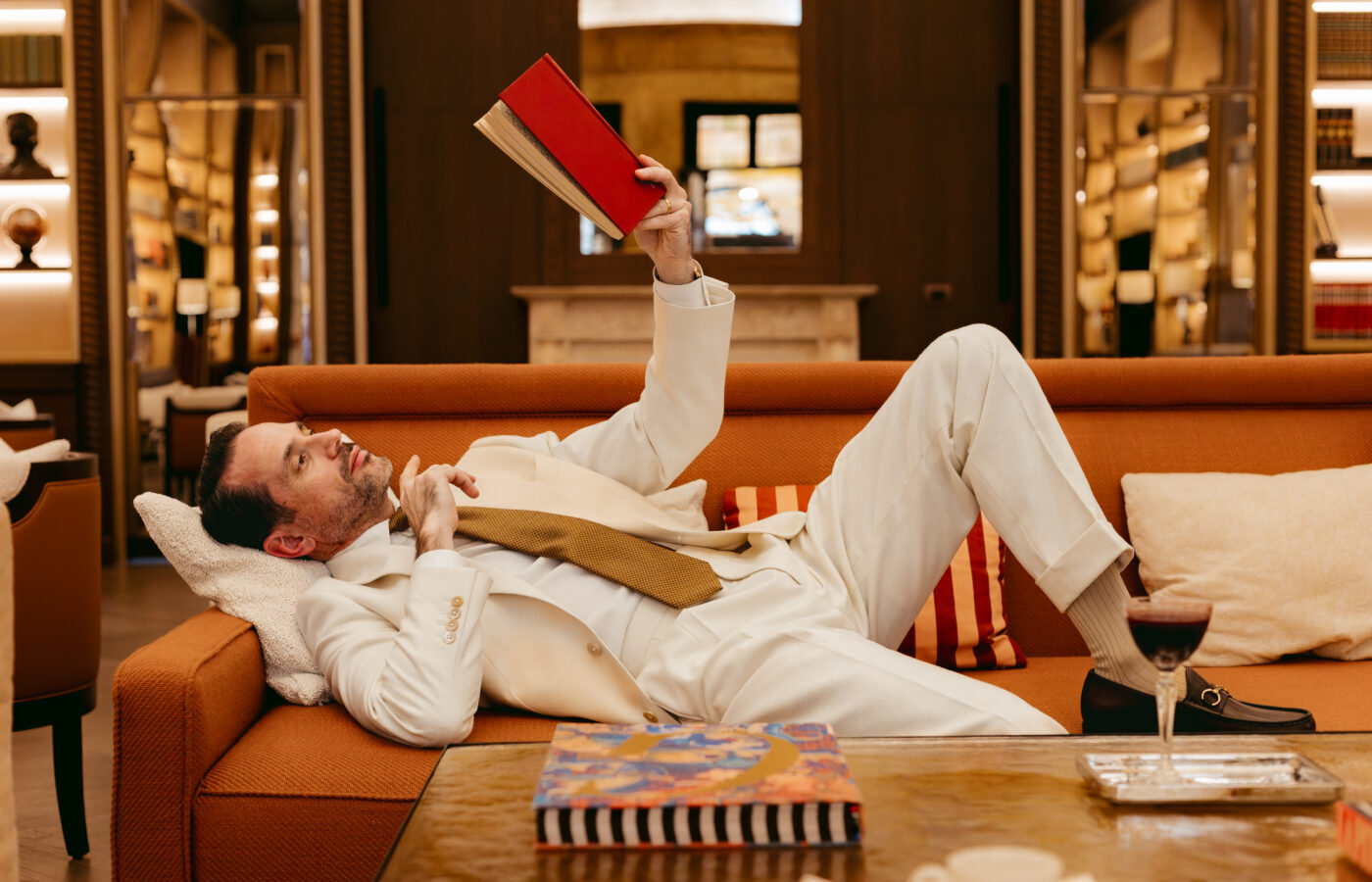
Most men have been taught the wrong things about style.
Not deliberately, but gradually. Over time, certain ideas take hold: that dressing well is about money, brands, or keeping up with trends.
But after more than a decade working in menswear, I’ve found that many of these beliefs don’t hold up in practice. The things men tend to focus on are often the least important, while the details that actually shape how an outfit looks are frequently overlooked.
What follows are 10 observations that have consistently proven true—and that have shaped how I think about dressing well.
1. Expensive Clothes Don’t Make You Stylish
There’s a persistent belief that spending more will naturally result in looking better. It’s understandable, but it rarely plays out that way.
I’ve seen expensive outfits that feel disjointed, alongside much simpler combinations that look far more considered. The difference usually has little to do with price and much more to do with how the clothing fits and sits on the body.
Without that foundation, even high-end clothing struggles to look right. With it, simpler pieces can feel refined and complete.
Most Modern Jackets Are Too Short
Over the past decade, jacket lengths have steadily shortened. While that can look sharp at first glance, it often disrupts the overall balance of an outfit.
A shorter jacket compresses the torso and throws off the visual relationship between the upper and lower body. Traditionally, jackets were cut slightly longer—not as a stylistic choice, but to create a more natural sense of balance.
When that balance is right, everything else tends to fall into place.
3. The Best Wardrobes Are Usually Small
It’s easy to assume that more options lead to better style. In reality, the opposite is often true.
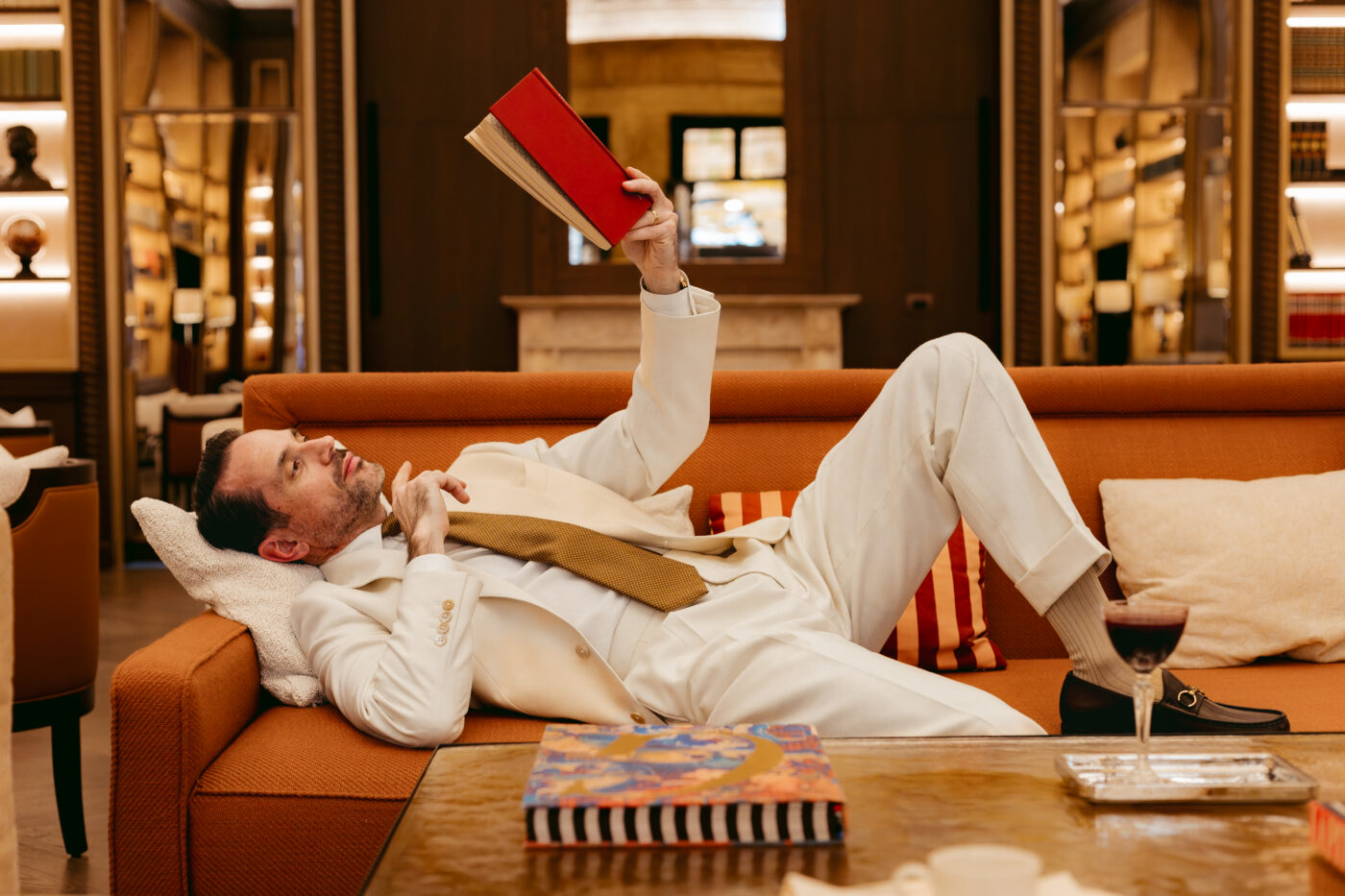
Most well-dressed men rely on a relatively small set of pieces that work well together. They know what fits them, what suits their lifestyle, and what they feel comfortable wearing.
It’s not about having more—it’s about having the right things, and wearing them consistently.
4. Tailoring Matters More Than Brands
A lot of attention is placed on labels—where something was made, who designed it, how much it costs.
But what actually makes the biggest difference is how it fits.
Even a well-made garment won’t look right if the fit is off. And on the other hand, something simple can look excellent when it’s properly tailored.
Over time, this becomes very clear. Fit is where style begins.
5. Great Wardrobes Start With Neutral Colors
There’s a tendency to build a wardrobe around statement pieces or bold colors. But what tends to work best is a foundation of neutral tones.
Navy, grey, brown, and ivory naturally work well together. They create consistency and make getting dressed much easier.
Start Here
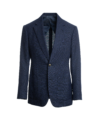


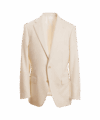
Once that foundation is in place, variation becomes more intentional—and more effective.
6. Trends Are the Fastest Way to Look Dated
Trends are temporary by nature. They come and go, often quickly.
When a wardrobe is built around them, it tends to reflect a very specific moment in time—and can feel outdated just as quickly.
Clothing rooted in classic design tends to last much longer. It evolves more slowly, and as a result, ages far more gracefully.
7. Shoes Anchor the Entire Outfit
Shoes are often overlooked, but they have a disproportionate impact on how an outfit is perceived.
A strong pair can elevate something simple, while a poor choice can undermine an otherwise well-put-together look.
They ground the outfit. And over time, you start to notice just how much they matter.
8. The Best Outfits Are Usually the Simplest
There’s a tendency to add more—more layers, more detail, more variation—in an effort to make an outfit more interesting.
But often, the opposite is true.
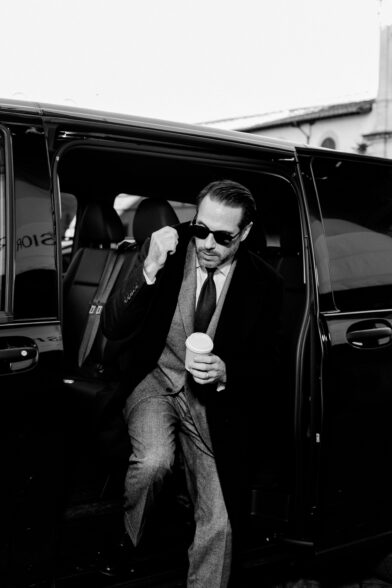
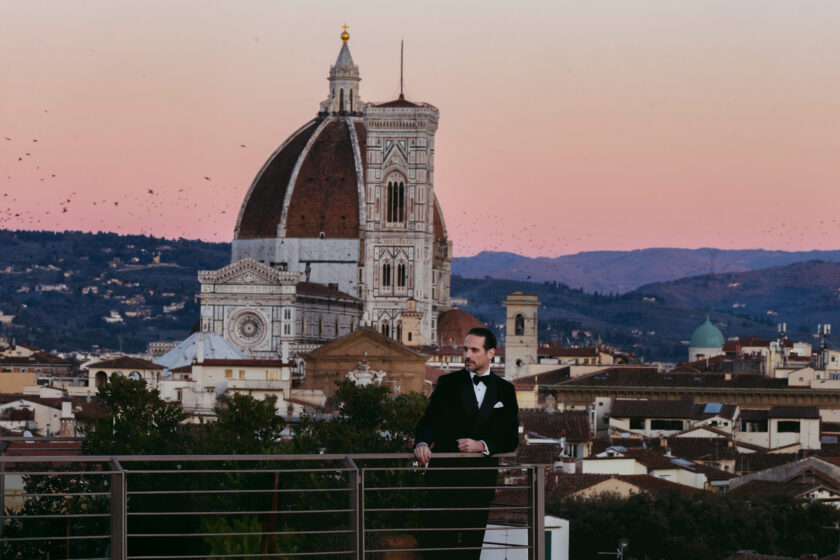
Simpler combinations tend to feel more refined and more intentional. There’s a clarity to them that gets lost when too many elements compete for attention.
Restraint, more often than not, is what creates elegance.
9. Most Style Problems Are Fit Problems
When something doesn’t look right, it’s often blamed on the garment itself—the brand, the style, or the trend.
But more often than not, the issue is simply fit.
Too tight, too loose, too short, too long—small differences can completely change how something looks.
When the fit is right, everything else becomes much easier.
10. The Best Style Is Personal
It’s easy to look outward—at trends, brands, and what other people are wearing.
But over time, what matters more is understanding what works for you.
Your lifestyle, your preferences, and your environment all play a role. When your clothing reflects that, it feels more natural and more consistent.
Style isn’t about following a formula. It’s about understanding yourself—and dressing in a way that aligns with that.
The Bottom Line
Menswear isn’t about rules. And it’s not about buying more. It’s about understanding a few core principles—and applying them consistently.
Because the goal isn’t to follow fashion. It’s to develop a sense of style that actually lasts.
Thanks, as always, for reading.