
Recent years have warned of an impending economic downturn that could heavily impact the global luxury sector. Bain & Company, Altagamma and other industry consultancies show that the number of active luxury consumers has declined sharply from around 400 million in 2022 to roughly 340 million by 2025, with new customer acquisition dropping by approximately 5 percent in the last year and spending patterns shifting toward experiences, resale and smaller indulgences rather than big‑ticket goods.
Read More: The Great Spring/Summer 2026 Fashion Week Reset
Macro pressures like rising tariffs, disrupted trade flows and low real wage growth are cited as key risk factors heading into 2026, with many brands signalling further price increases despite muted market growth. Margin compression has also become a critical stress point, with earnings before interest and taxes forecast to fall to levels last seen in 2009 as operating costs rise and revenue growth slows. Geographically, growth is concentrating in culturally demanding markets such as China, India, Southeast Asia and the Gulf, where brands must navigate fragmented retail structures, sophisticated domestic competitors and rapidly evolving consumer expectations. Projections note a 5 percent rebound in sales and 12 percent earnings growth in 2026 if Chinese consumer sentiment stabilises and if conglomerates increase to emphasise direct retail control over wholesale channels to protect margins. At the same time, high‑profile financial stress in luxury retail — including the potential bankruptcy of Saks Global due to heavy debt and sluggish traffic — underscores how structural market pressures are forcing a rethink of strategies across the sector.
The era of centralised decision-making is ending and these factors are forcing major luxury fashion conglomerates to reflect and adapt. LVMH returned just one percent growth in Q3 of 2025, Kering saw revenues drop of 10 percent and Richemont grew five percent thanks largely to its jewellery maisons, highlighting a K-shaped recovery where top-tier brands and resilient segments thrive while aspirational tiers falter. Miu Miu — under Miuccia Prada’s enduring leadership — has avoided the creative turnover seen at many peers, demonstrating how consistency and founder-led vision can act as a stabilising force in a volatile industry.
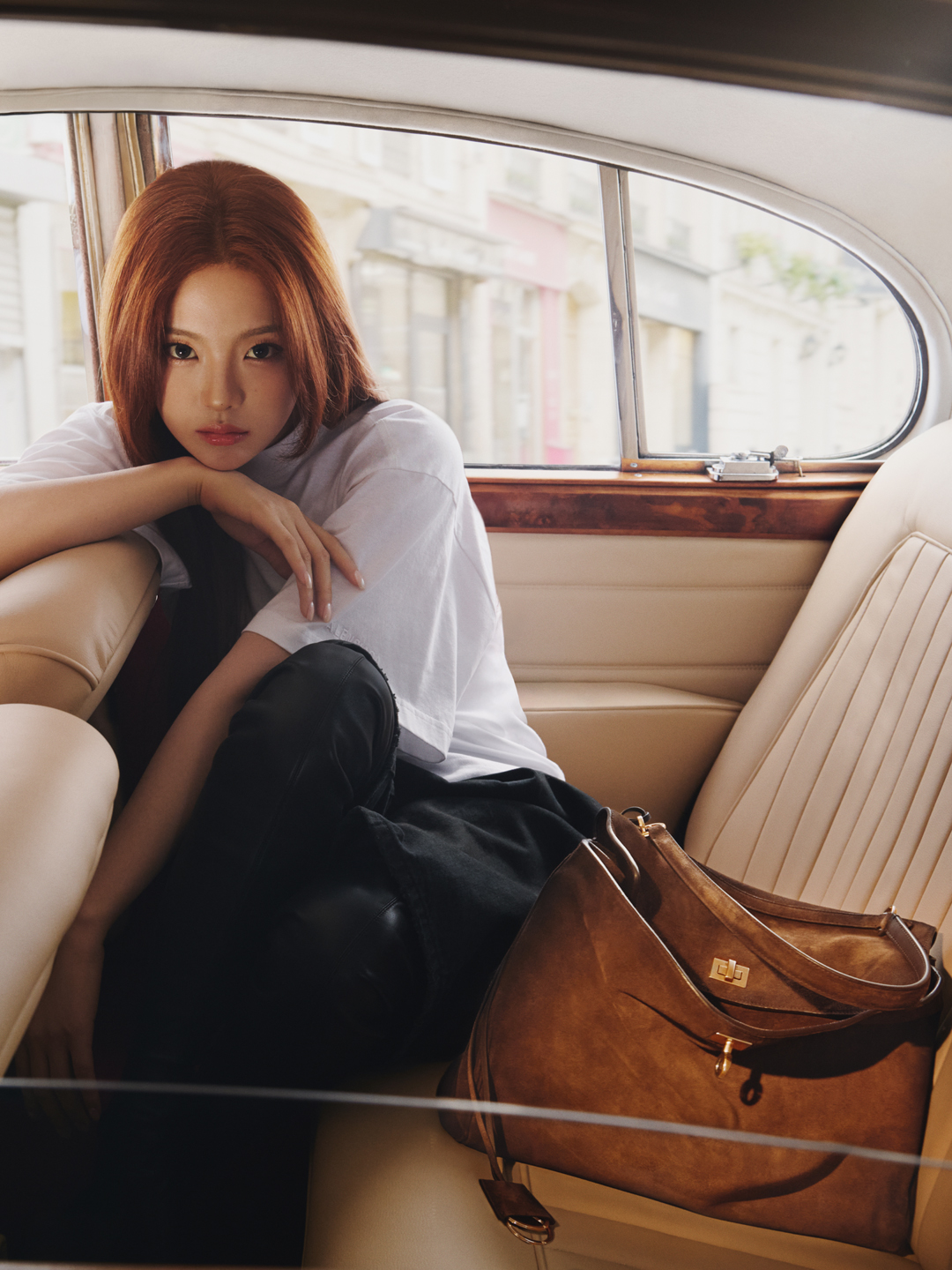
The new luxury landscape demands earned desirability and this sees some houses introduce entry‑level price tiers and creative leadership changes to reinvigorate demand. Alongside this, a new cycle of creative appointments is reshaping Europe’s major fashion houses, signalling a shift from personality-led spectacle toward structural recalibration, institutional continuity and long-term brand control. As legacy houses recalibrate creative leadership across couture and ready-to-wear, the concentration of power among a smaller circle of designers suggests that fashion’s next phase will prioritise brand systems and succession stability over disruptive authorship.
In a bid to increase demand and desirability, LUXUO delves into one aspect of this strategic reshuffling — honing in on the recent creative director appointments — to explore how legacy houses are recalibrating creative direction in which succession planning and brand architecture outweigh individual creative authorship.
Read More: Milan Fashion Week Spring/Summer 2026: A New Guard Rises
Demna at Gucci
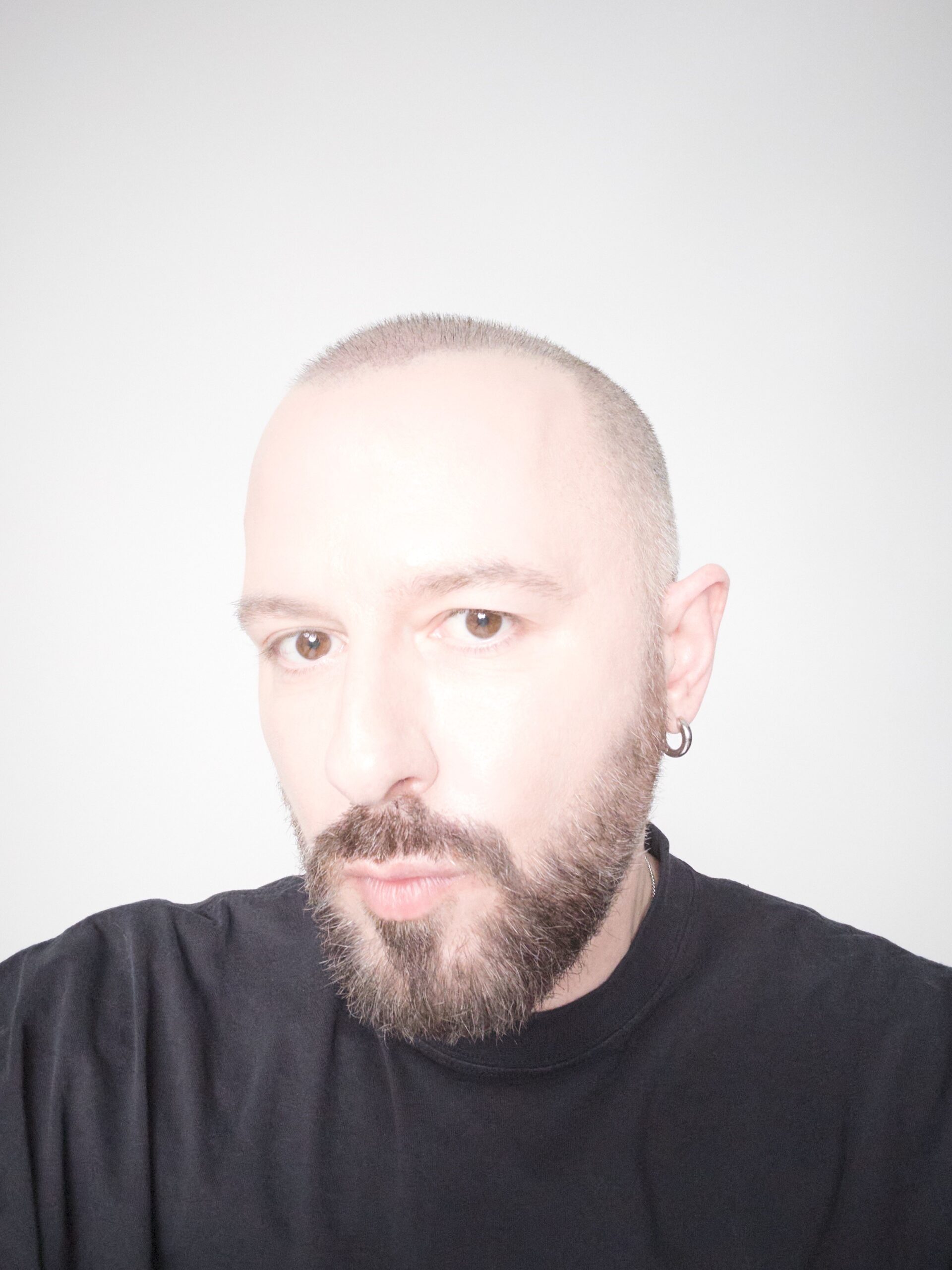
Demna’s arrival at Gucci marks a deliberate pivot away from the volatility that followed Alessandro Michele’s departure. Rather than reintroducing maximalist disruption, Demna’s first moves indicate a tightening of visual codes, clearer product hierarchy and a renewed focus on commercial clarity. For Kering, this reasserts Gucci’s global scale through disciplined design language after a period of brand diffusion and sales pressure.
Gucci’s recent struggles highlight the challenges facing legacy fashion houses. After attempting a restrained approach under Sabato De Sarno, Gucci’s sales fell 24 percent year-on-year in 2024, prompting Kering to hire Demna, the designer who previously elevated Balenciaga into a hype-driven powerhouse. The appointment was met with mixed reactions: Kering’s stock dropped 12.4 percent and the reception in China was lukewarm, while the conglomerate itself reported a 62 percent decline in overall profit for 2024. This scenario illustrates a broader pattern in luxury fashion, where the pursuit of profit can turn leadership appointments into high-stakes gambles, akin to a game of musical chairs.
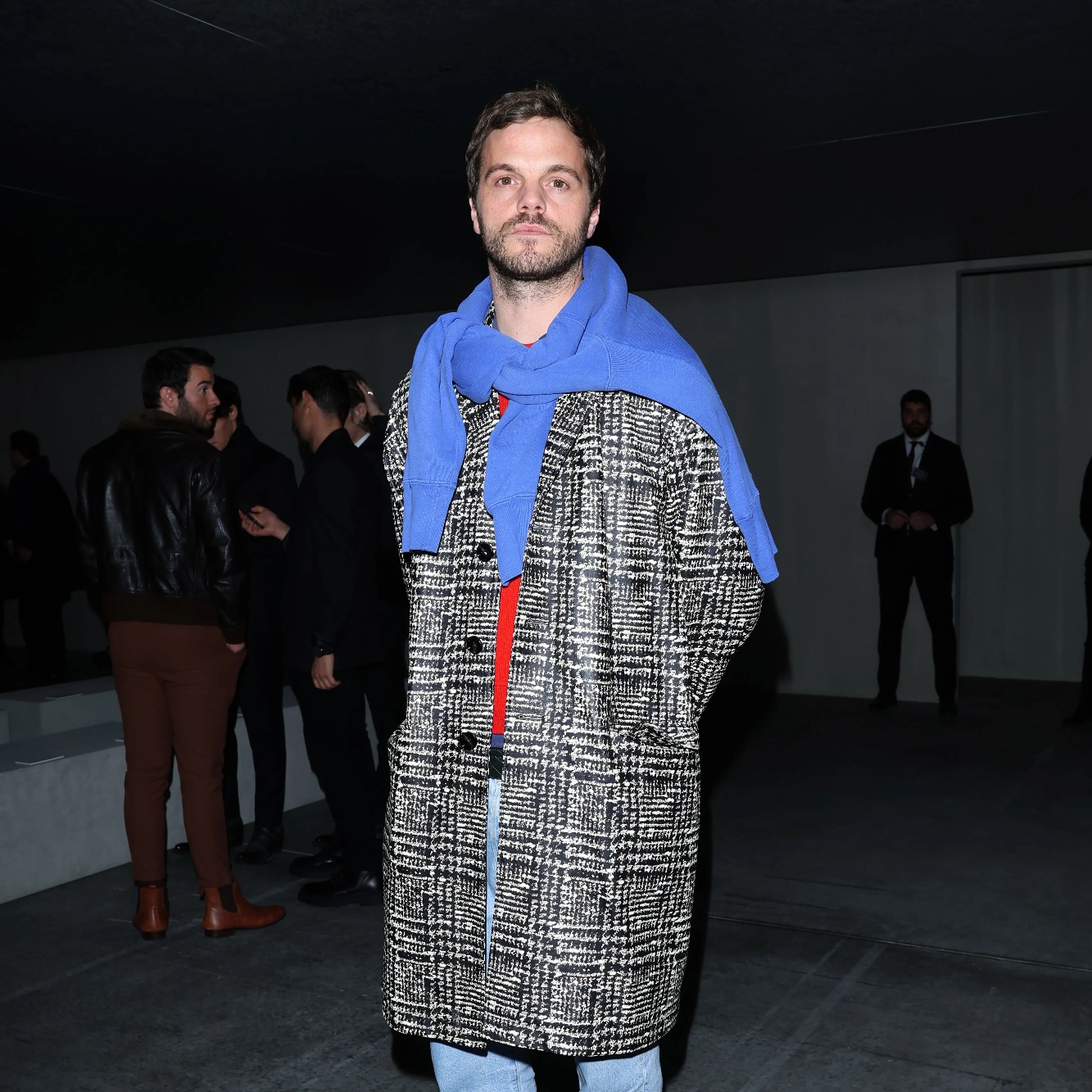
Matthieu Blazy at Chanel
Matthieu Blazy’s appointment at Chanel is widely seen as a strategic effort to evolve the house’s creative language without abandoning its core heritage. Blazy arrives from a successful tenure at Bottega Veneta, where he revitalised the brand with understated yet technically excellent design that often reinterpreted everyday garments — from trompe‑l’oeil leather “jeans” to sculptural accessories — while broadening its commercial appeal and strengthening craft emphasis.
At Chanel, he can be expected to modernise classic codes like tweed and quilted bags with looser proportions and lived‑in ease that feel contemporary, injecting an element of wearability for a new generation of consumers without eroding the Maison’s legacy. Early collections — including his Métiers d’Art show staged in New York — reveal a softer silhouette and playful, real‑world sensibility that suggests the house is embracing movement and ease as much as its emblematic luxury. His reputation for blending creativity with commercial viability — honed across roles at Céline, Margiela and Calvin Klein — aligns with Chanel’s desire to balance heritage with cultural relevance, expanding gender‑neutral interpretations and recharging the brand’s global image without relying on celebrity spectacle.
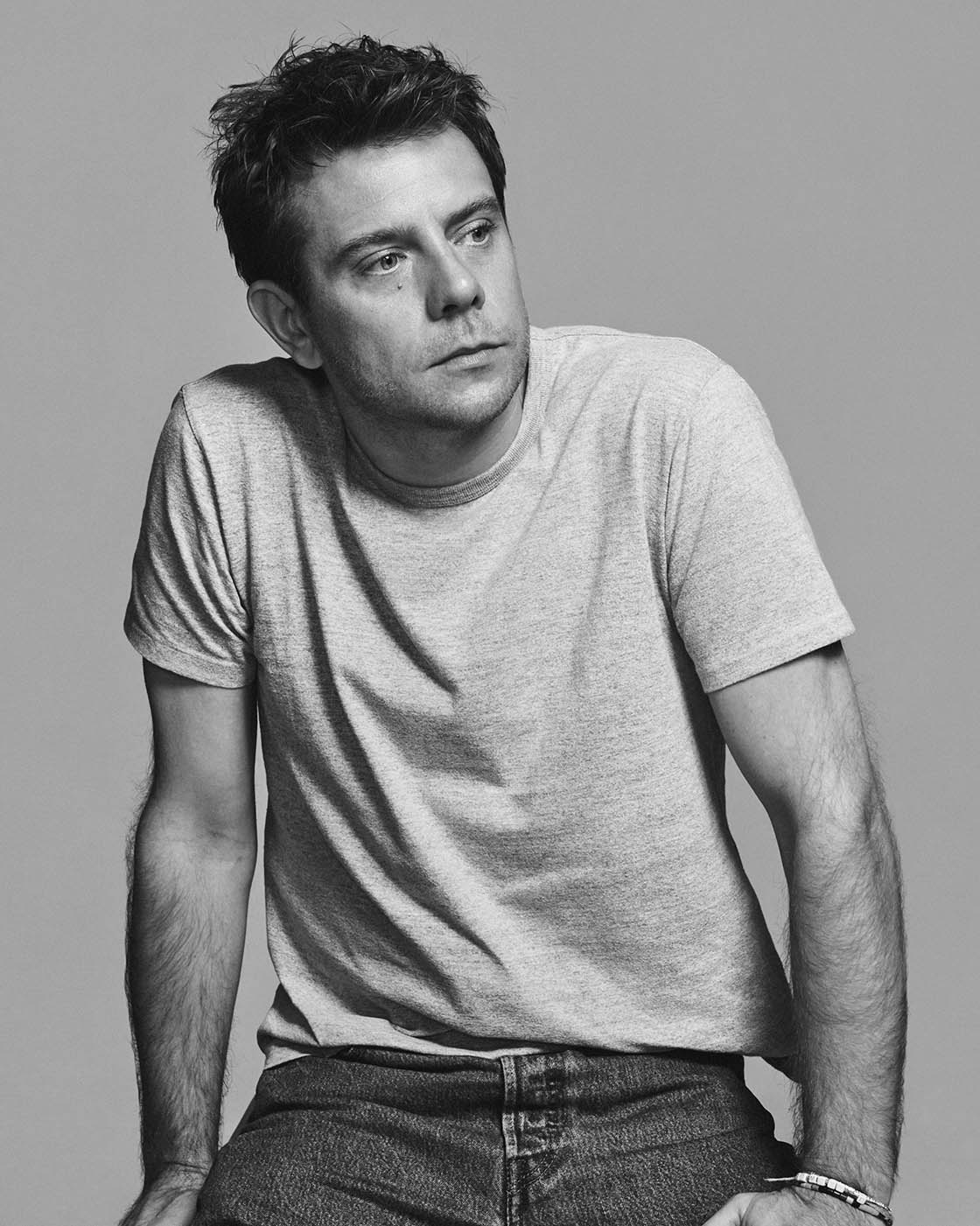
Jonathan Anderson at Dior
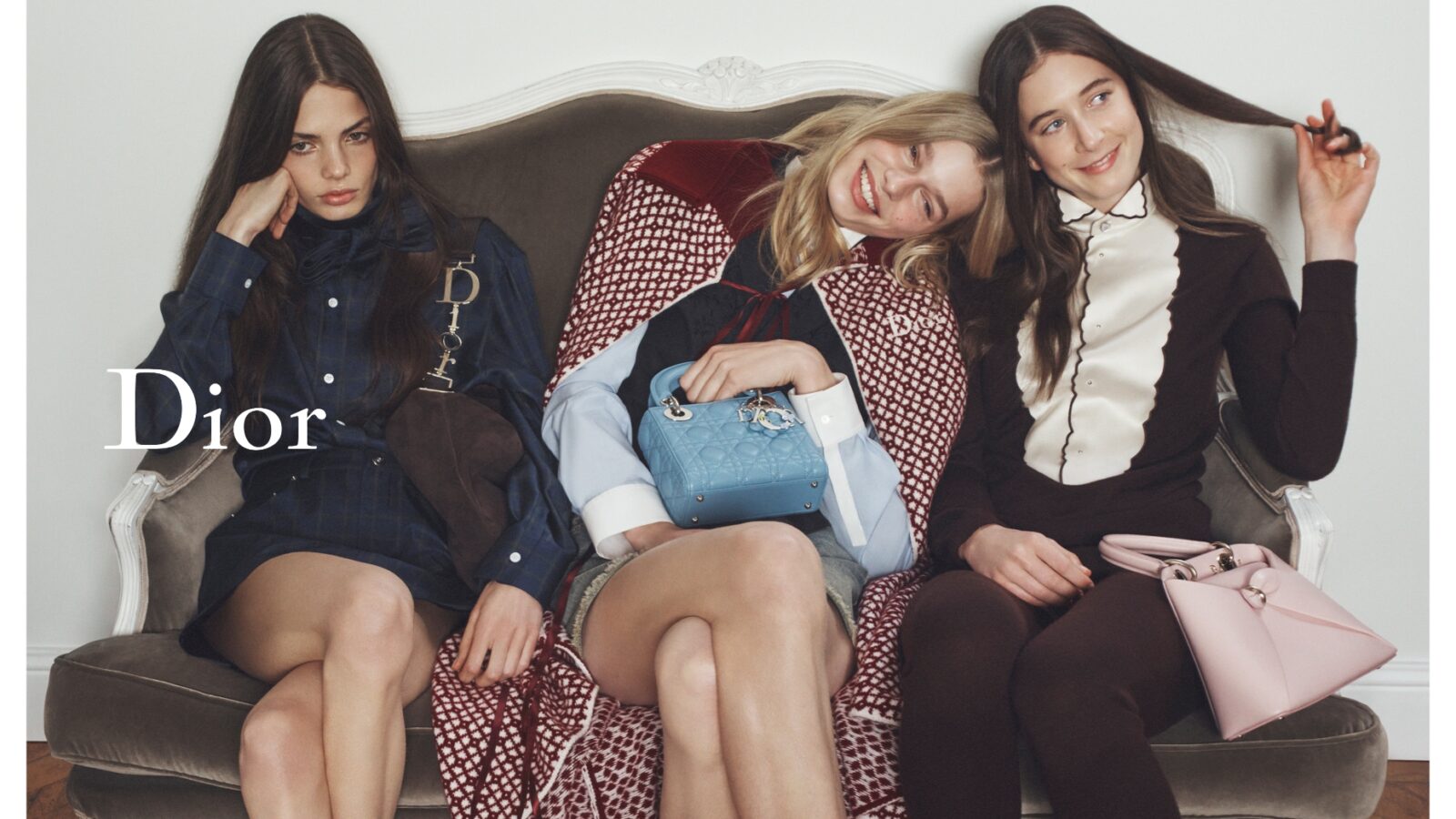
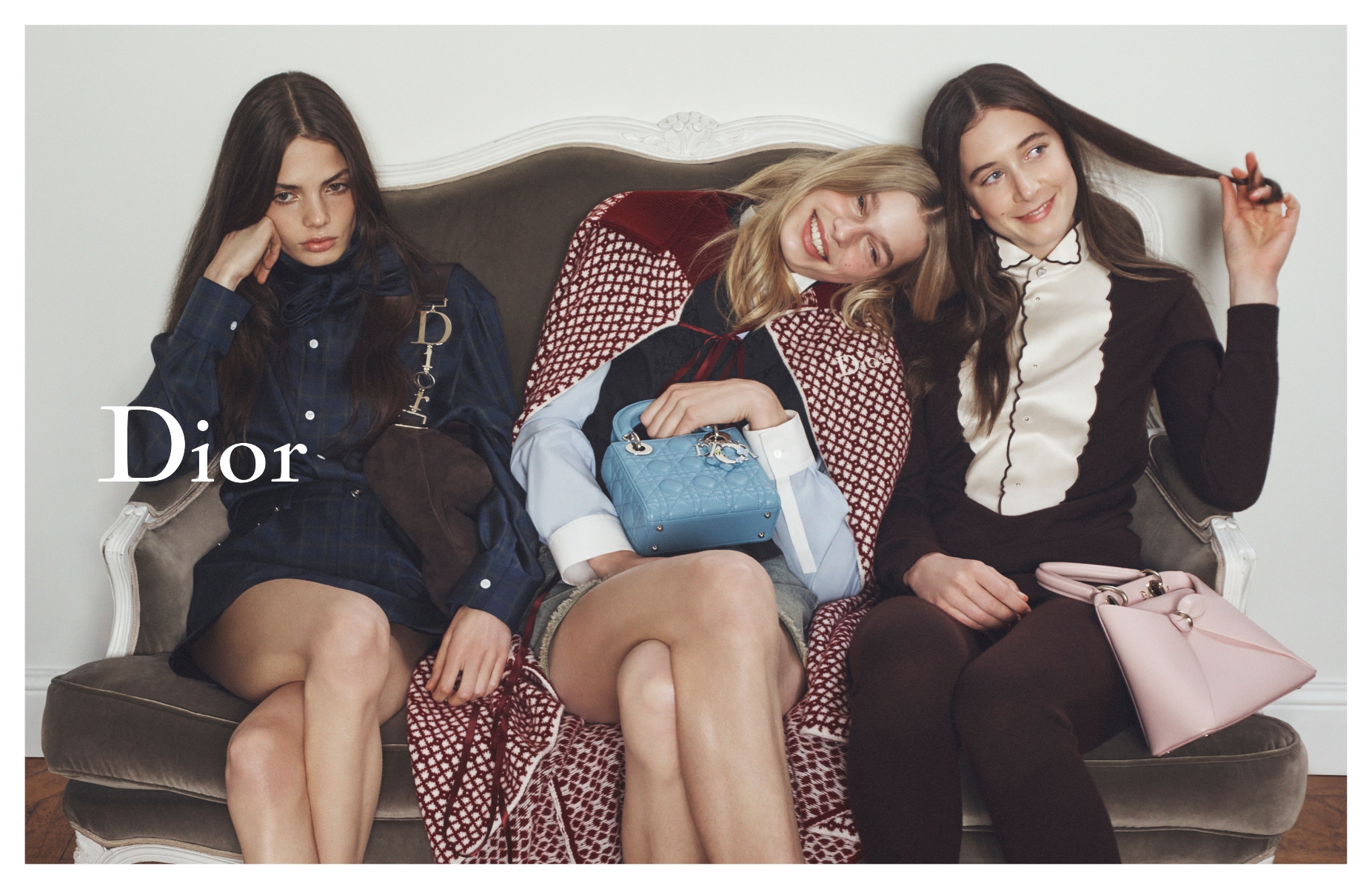
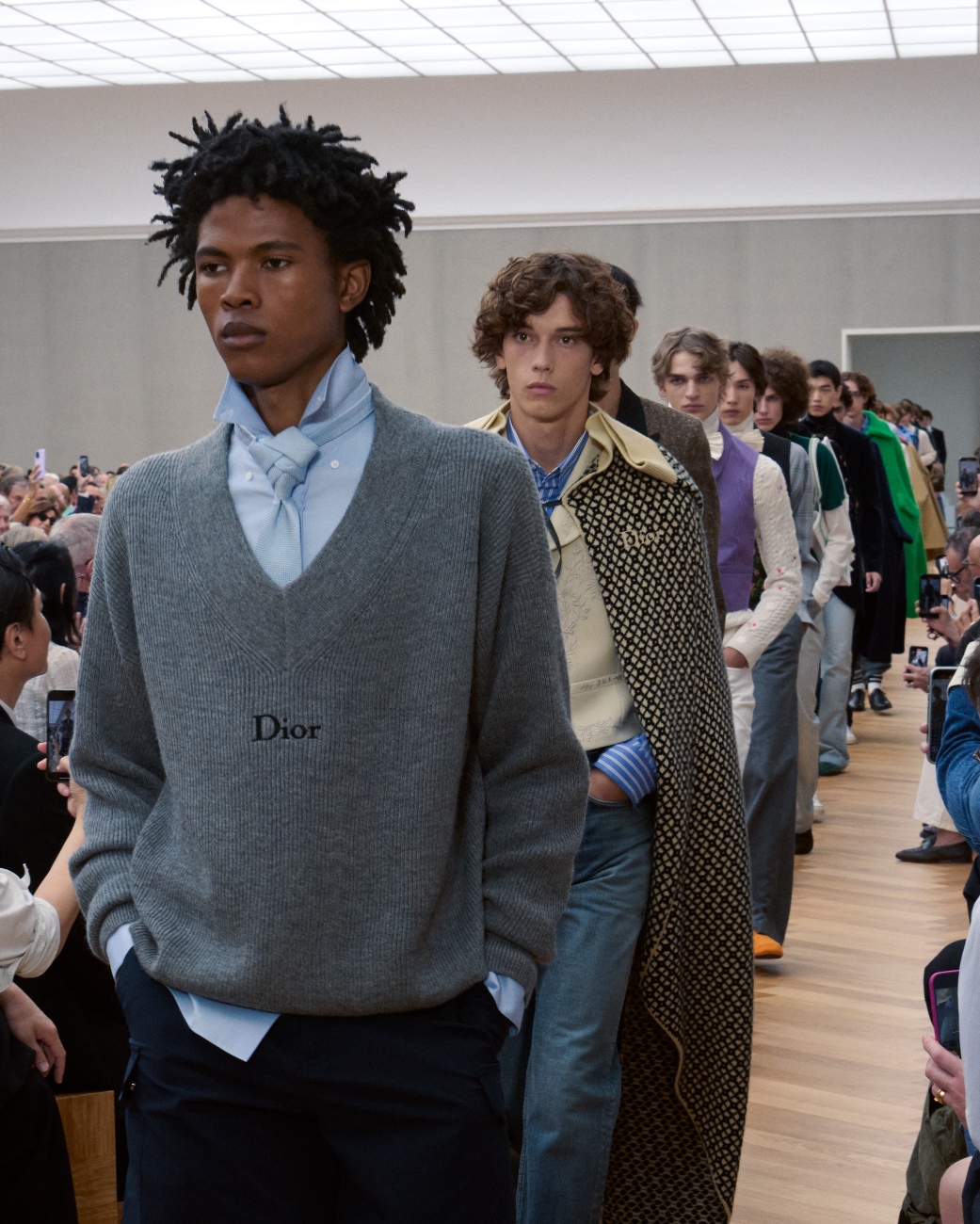
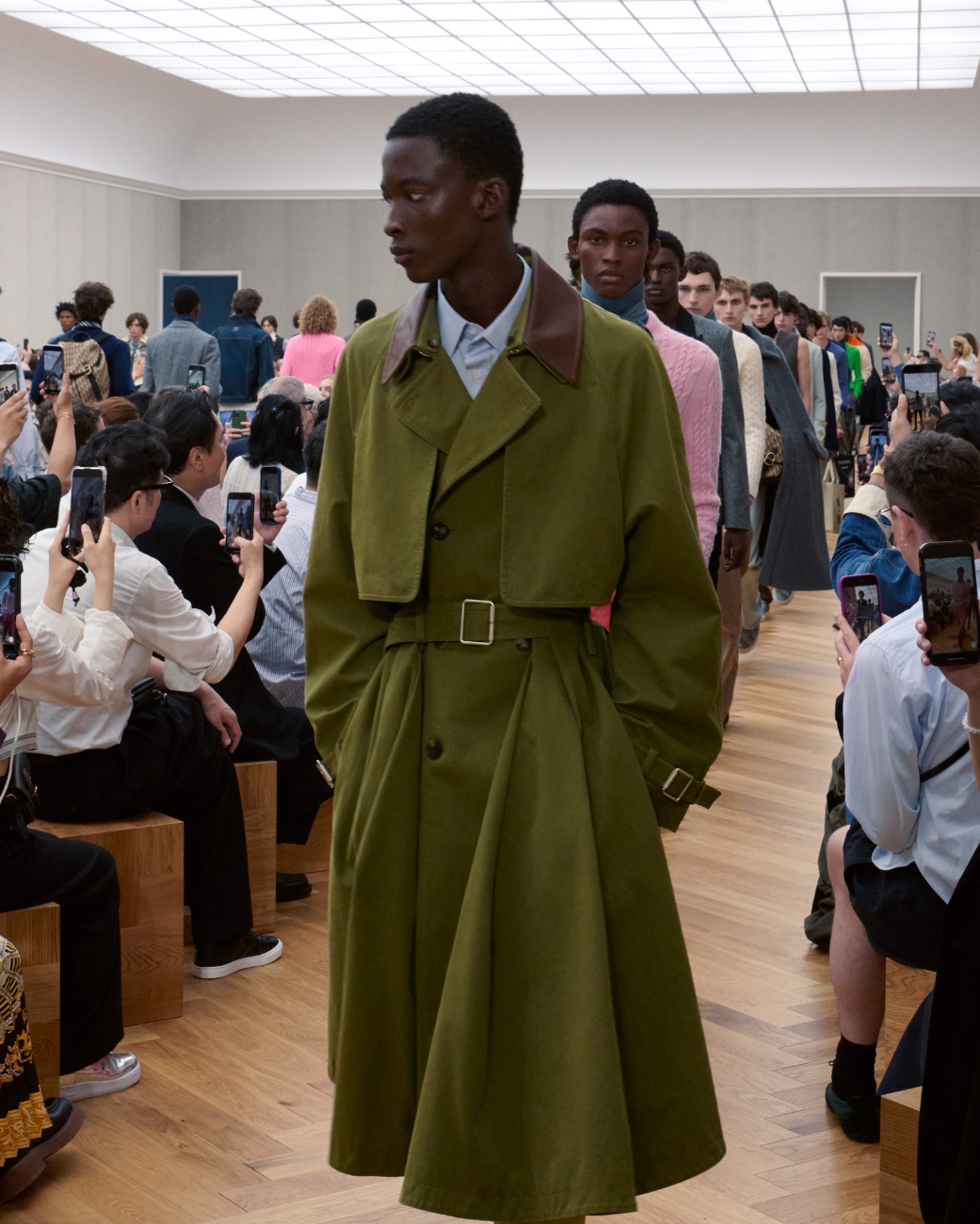
Jonathan Anderson’s appointment as Dior’s creative director marks a historic moment for the house: he is the first designer since Christian Dior himself to oversee both menswear and womenswear — including haute couture — under a single artistic vision. Anderson arrives after an 11‑year tenure at Loewe, where he transformed the Spanish brand into one of luxury’s most talked‑about labels, balancing conceptual creativity with commercial success.
At Dior, his dual role is intended to bring coherence across all lines, unifying menswear, womenswear and couture into a cohesive identity while still respecting the maison’s heritage codes. Early collections under his direction — including his menswear and first womenswear shows — demonstrate a play between tradition and modernity, reinterpreting emblematic pieces like the Bar jacket with fresh silhouettes and contemporary references to appeal to younger, style‑driven audiences. Anderson’s background in merging art, fashion and cultural narratives — plus his reputation for material ingenuity and playful reinvention — are seen as critical assets for Dior at a moment when legacy brands seek both creative reinvigoration and commercial momentum across all product categories.
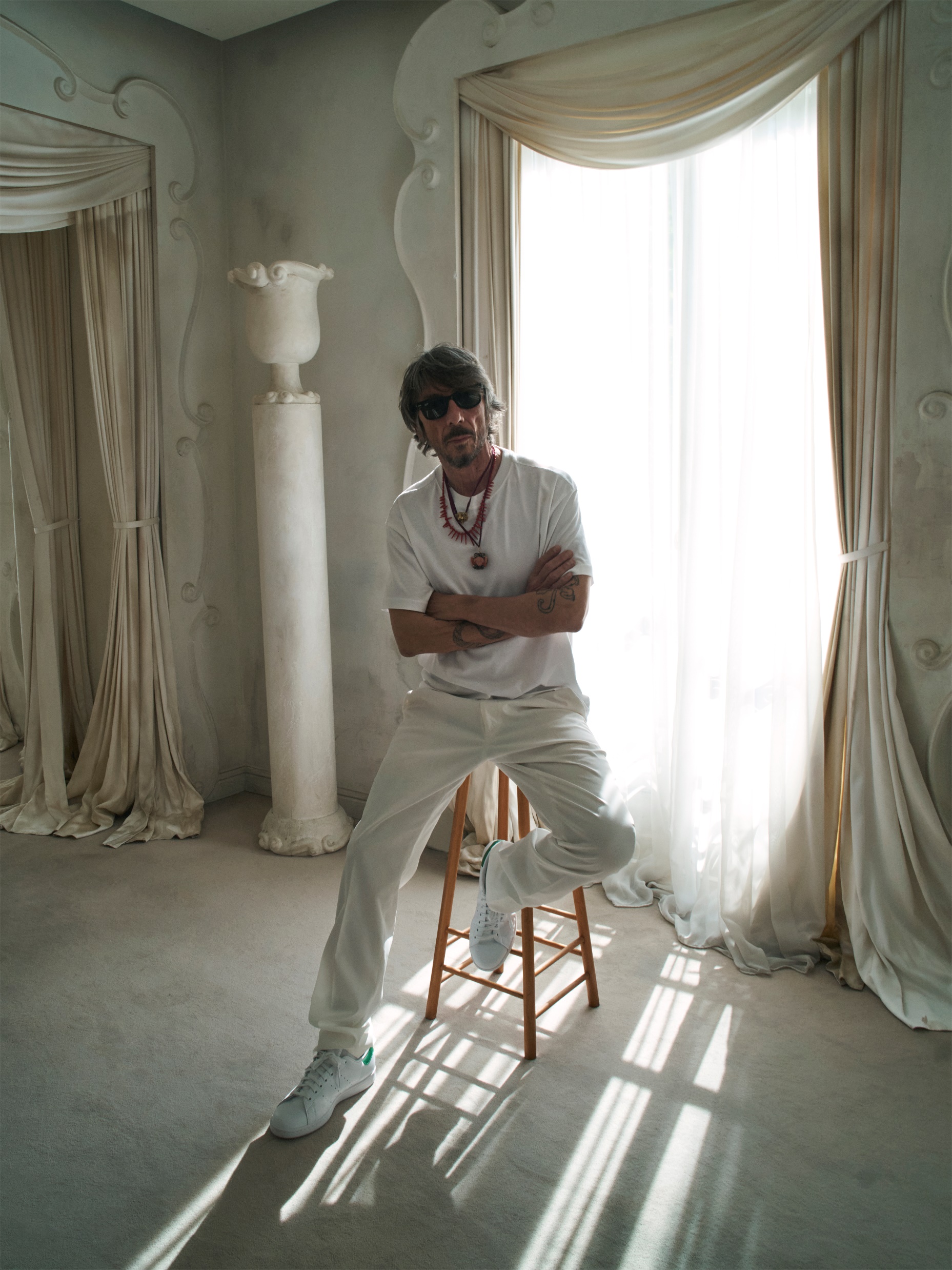
Pierpaolo Piccioli at Balenciaga
Pierpaolo Piccioli’s appointment as creative director of Balenciaga signals a deliberate shift from the disruptive, streetwear‑driven aesthetic of his predecessor toward a more refined, couture‑inflected vision rooted in the house’s heritage. The seasoned Italian designer — best known for his long tenure at Valentino, where his mastery of haute couture, colour and form earned global acclaim — is tasked with uniting Balenciaga’s avant‑garde past with architectural and emotional resonance.
Piccioli’s early work for the house — including his Spring/Summer 2026 collection — wove archival references like Cristóbal Balenciaga’s iconic sack dress into vibrant new silhouettes that balanced sartorial tradition with contemporary detail, suggesting a return to craftsmanship and sculptural tailoring while retaining touches of the label’s recent innovation. Industry insiders describe the appointment as part of Kering’s broader strategy to stabilise and reposition its flagship brands, privileging creative continuity and technical excellence over the somewhat controversial headline‑driven approach of the last decade. Piccioli’s emphasis on understated, structural beauty and couture savoir‑faire reflects a recalibration toward heritage codes that may broaden Balenciaga’s appeal beyond the highly polarising streetwear elite without abandoning its core (and couture) identity.
Read More: Paris Encounters a Reckoning of Power and Profits In Line With Couture Week
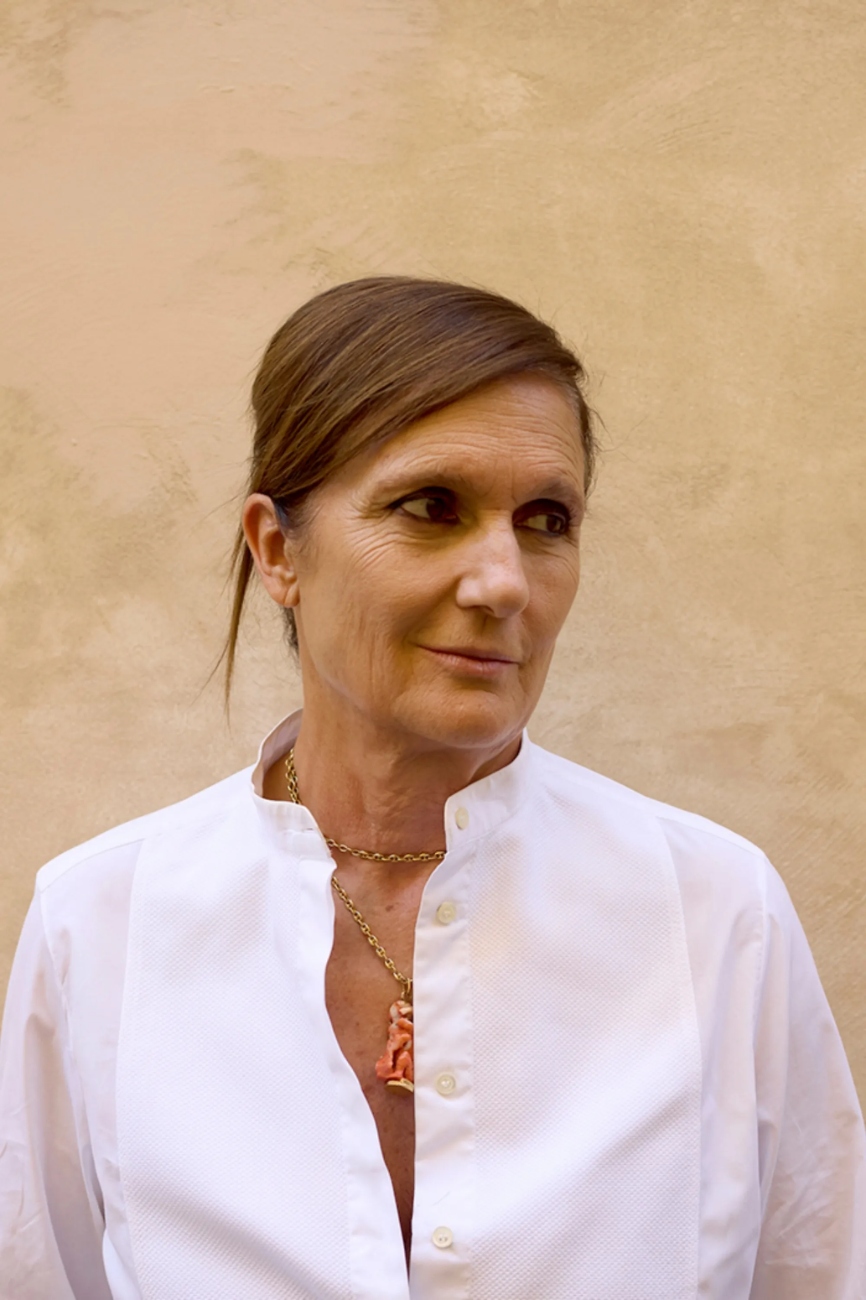
Maria Grazia Chiuri’s First Fendi Show
In 2025, Maria Grazia Chiuri was appointed chief creative officer of Fendi and in February 2026 the designer will present her first collection for autumn/winter 2026 at Milan Fashion Week, marking her return to the house where she began her career. The appointment comes six months after her departure from Dior, where she served as womenswear creative director and oversaw a period of significant commercial growth — with Dior’s sales rising from EUR 2.2 billion in 2017 to EUR 9.5 billion in 2023. Chiuri’s return also concludes a period of interim leadership at Fendi following Kim Jones’s exit in October 2024; Silvia Venturini Fendi had temporarily overseen womenswear before moving into an ambassadorial role in September 2025.
Chiuri’s previous decade at Fendi (1989–1999) included leading the development of the house’s iconic Baguette bag and her appointment is seen by many observers as both a homecoming and a strategic effort by Fendi’s CEO Ramon Ros to reinforce the brand’s heritage while pursuing renewal under the LVMH umbrella. Chiuri’s tenure at Dior has proven her ability to sustain a global brand through consistent messaging, recognisable codes and steady commercial performance. At Fendi, her role is likely to reinforce brand coherence across categories, particularly as the house navigates leadership transitions and evolving family heritage narratives.
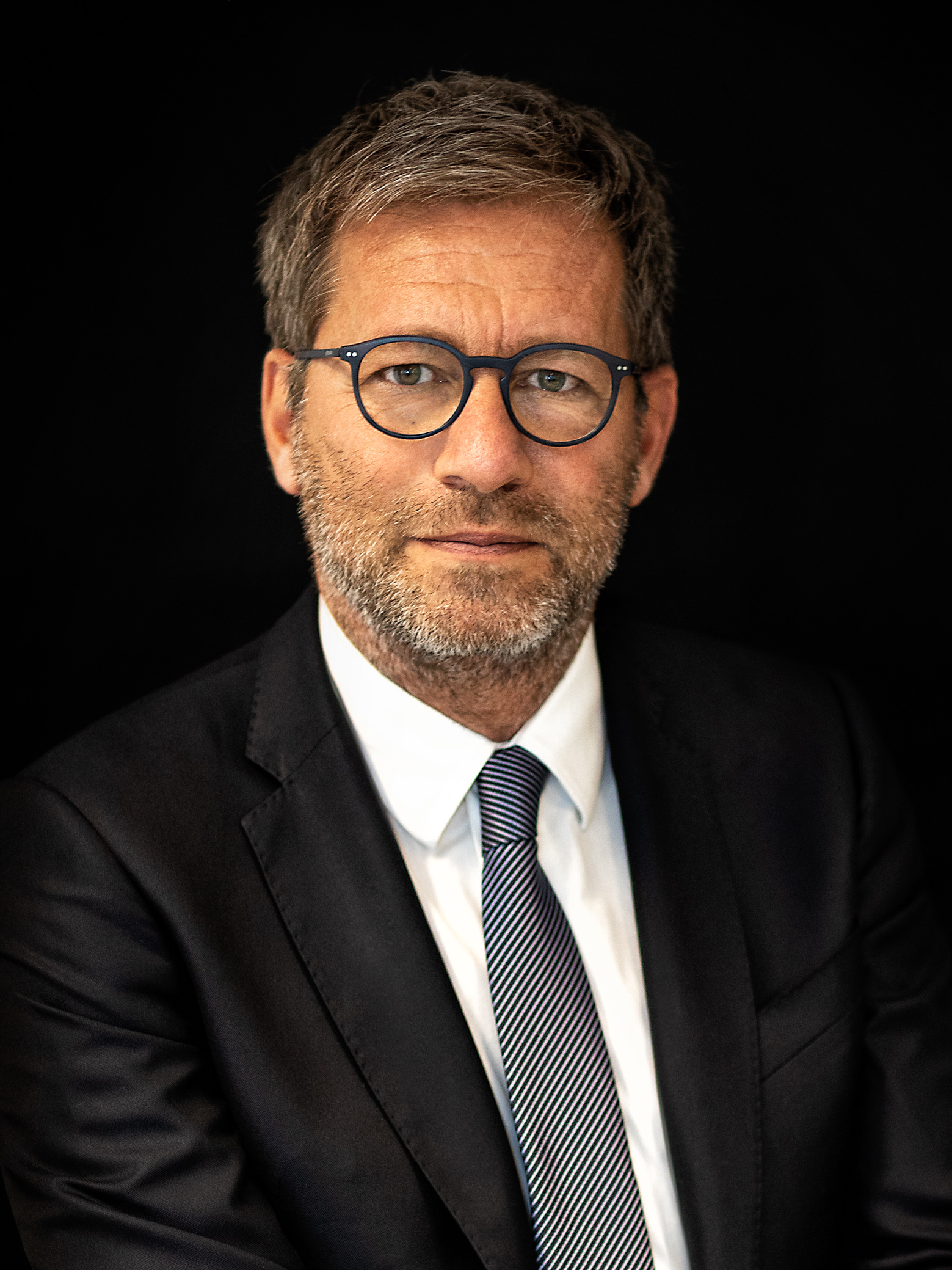
Giorgio Armani’s Structural Succession
Armani’s recent organisational shifts underscore transformation through the merging of Emporio Armani collections and the continued separation of Giorgio Armani men’s and women’s lines. This reflects a methodical approach to succession planning and brand architecture. Rather than signalling retreat, these moves suggest Armani is institutionalising his legacy — ensuring operational continuity beyond the late founder.
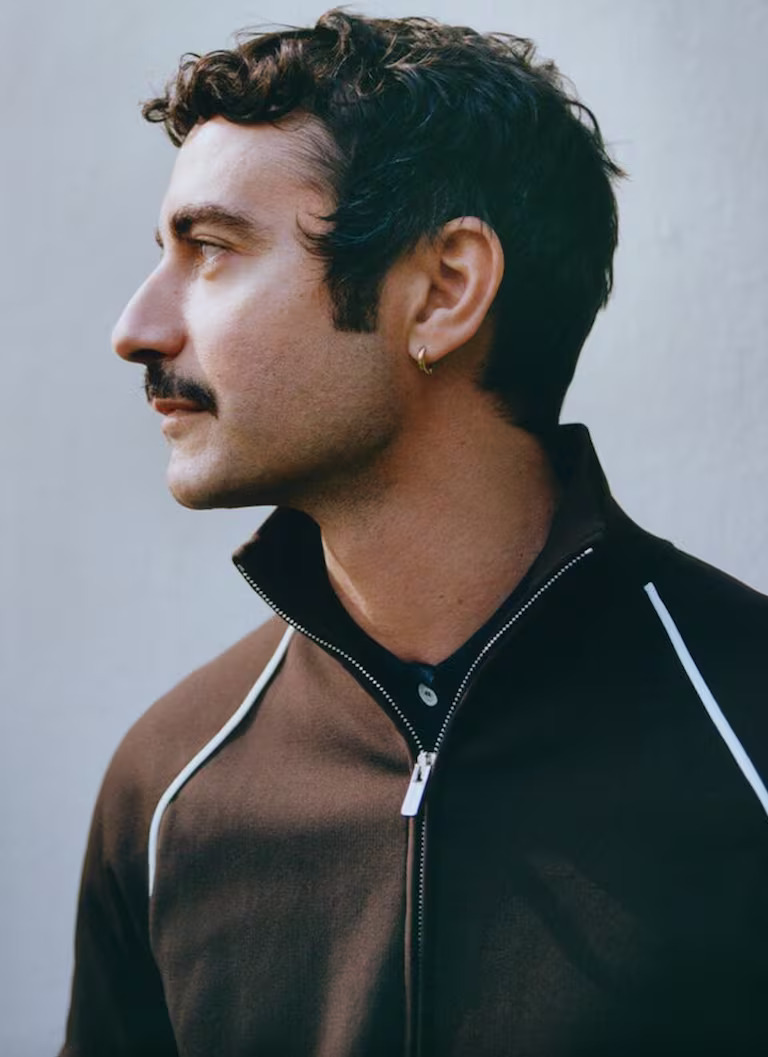
Reshuffling at Versace & Balmain
Both Balmain and Versace are facing their own creative director shake-up. For Balmain, it is replacing the legacy left behind by Olivier Rousteing, whereas Versace’ new chapter sees a Prada takeover.
Versace’s leadership has been in flux: Donatella Versace — who led the house for nearly three decades — stepped down as creative director in early 2025, making way for Dario Vitale — the first outsider to hold the role in the brand’s 47‑year history — amid speculation over Capri Holdings’ eventual sale of the label. Vitale, a former design and image director at Miu Miu, presented his first — and only — collection for Spring/Summer 2026 before exiting by mutual agreement less than nine months after his appointment, shortly after the Prada Group completed its EUR 1.25 billion acquisition of Versace. Some industry observers saw Vitale’s departure as a sign that new ownership lacked confidence in his fit or vision for the house, underscoring the instability and strategic recalibration now facing one of fashion’s most storied names.
Against this backdrop, the eventual replacement of Olivier Rousteing at Balmain similarly raises questions about identity: Rousteing made Balmain a Gen Z and social‑media powerhouse, but the next phase may demand a quieter recalibration, with greater emphasis on product, storytelling and long‑term brand equity over viral visibility.
Read More: Inside Prada’s Bold Bid for Italian Supremacy
H&M x Stella McCartney Designer Collaboration
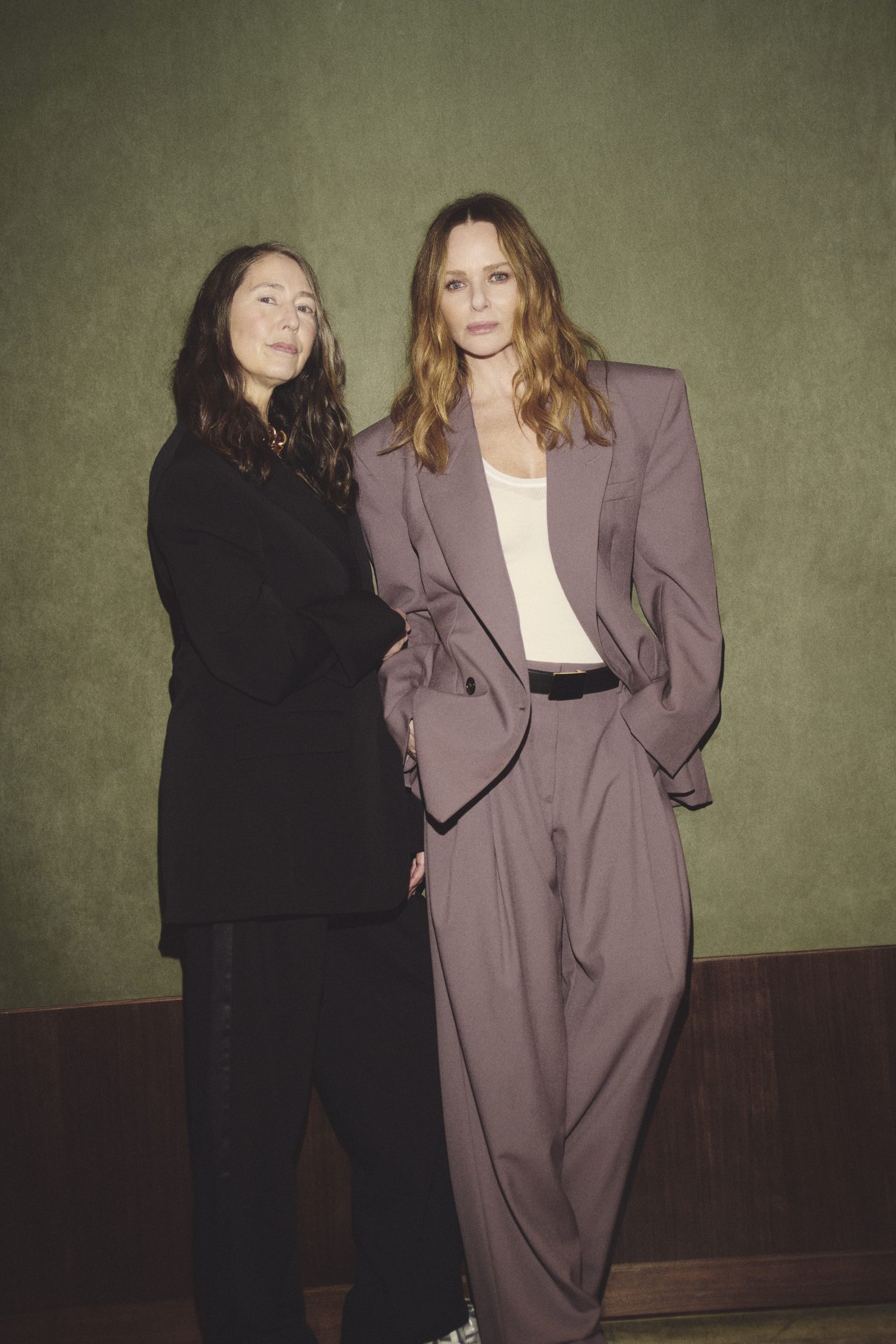
H&M has announced a renewed collaboration with designer Stella McCartney — launching in Spring 2026 — marking 20 years since their first partnership in 2005. This continues the retailer’s strategy of partnering with high‑profile designers to bring elevated fashion to a broader audience. Stella McCartney’s appointment for the collaboration is particularly interesting given her longstanding commitment to sustainable practices, making this partnership one of the most anticipated mass market luxury‑meets‑premium designer drops of the year.
The collection promises signature McCartney designs crafted from certified, recycled and otherwise sustainable materials, alongside an accompanying “Insights Board” aimed at fostering industry dialogue on sustainability and animal welfare. While McCartney has long championed ethical fashion and cruelty-free practices, one would be amiss not to note how the collaboration is therefore hypocritical for its alignment of McCartney’s sustainability ethos with H&M — a fast-fashion retailer frequently accused of greenwashing and problematic environmental and working condition practices.
The partnership raises questions about the efficacy of such collaborations. For H&M, it allows the brand to be seen under a new “green” light, providing an ideal deflection for the naysayers who have long raised concerns over the brand’s sustainability credentials. For McCartney, however, the collaboration — while no doubt successful — could be seen as a “profits over principles” situation where meaningful systemic change is presented as a high-profile marketing exercise that allows luxury ethics to be reconciled with mass-market consumption.
For more on the latest in luxury fashion and style reads, click here.
The post Fashion Leadership Reset: 2026’s Creative Shake-Ups appeared first on LUXUO.