
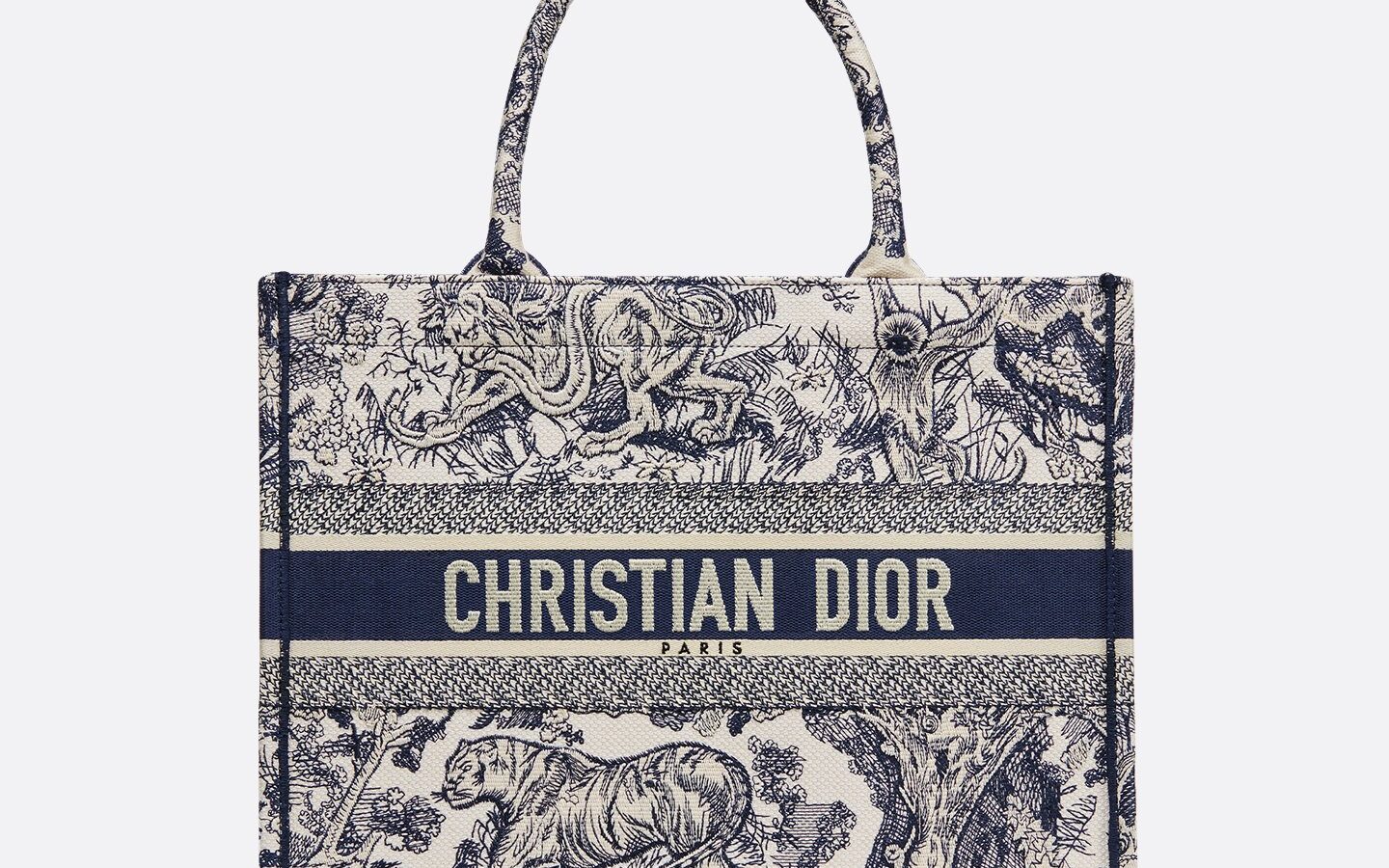
As plagiarism scandals rise, the fashion industry confronts uncomfortable questions around profit and originality. With accusations between Dior and Chagee reigniting debate over design ownership, LUXUO unpacks how cultural reference, commercial intent and consumer perception collide in an increasingly image-driven marketplace.
Dior Dupe Or Chagee’s Creative Autonomy
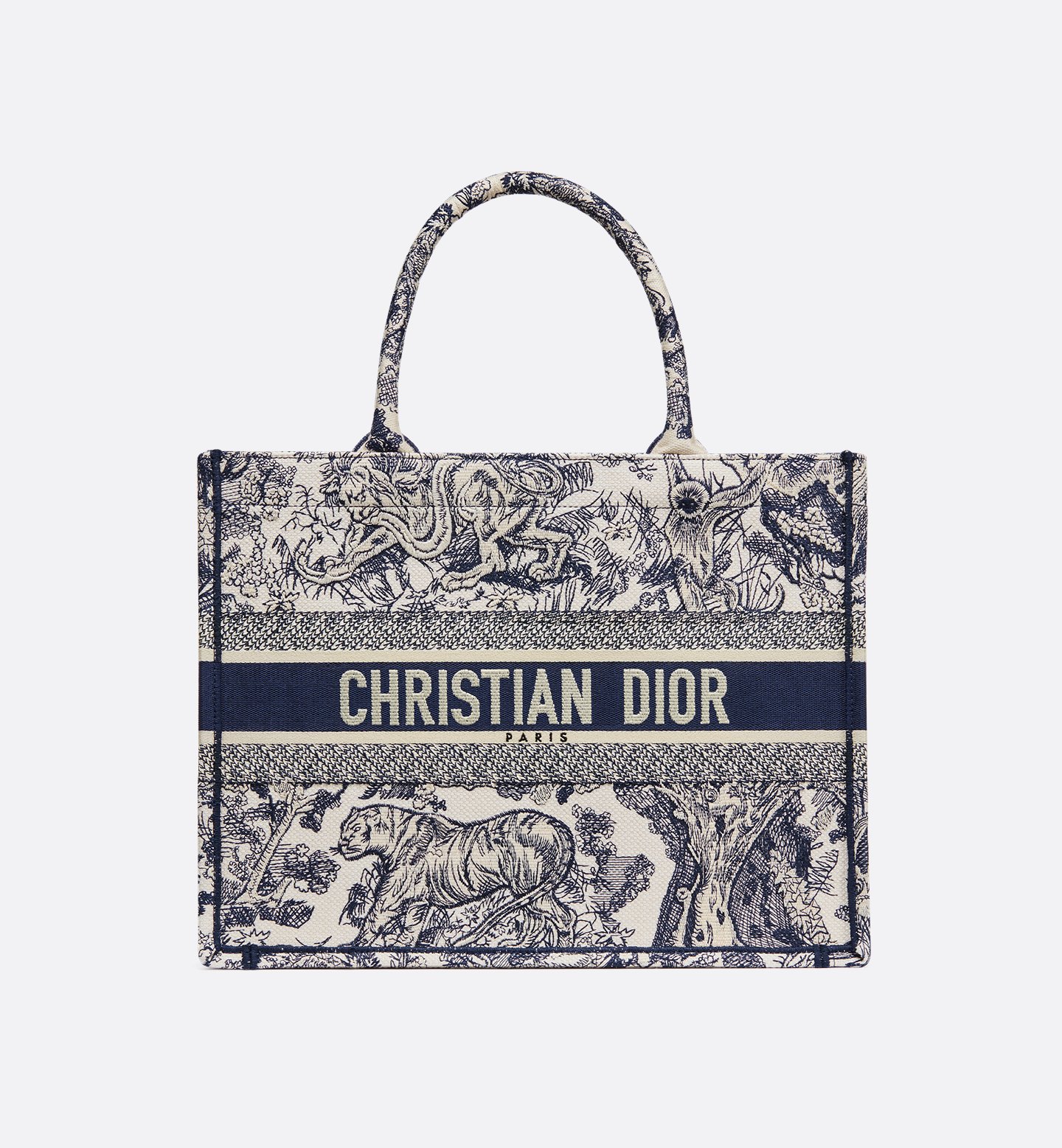
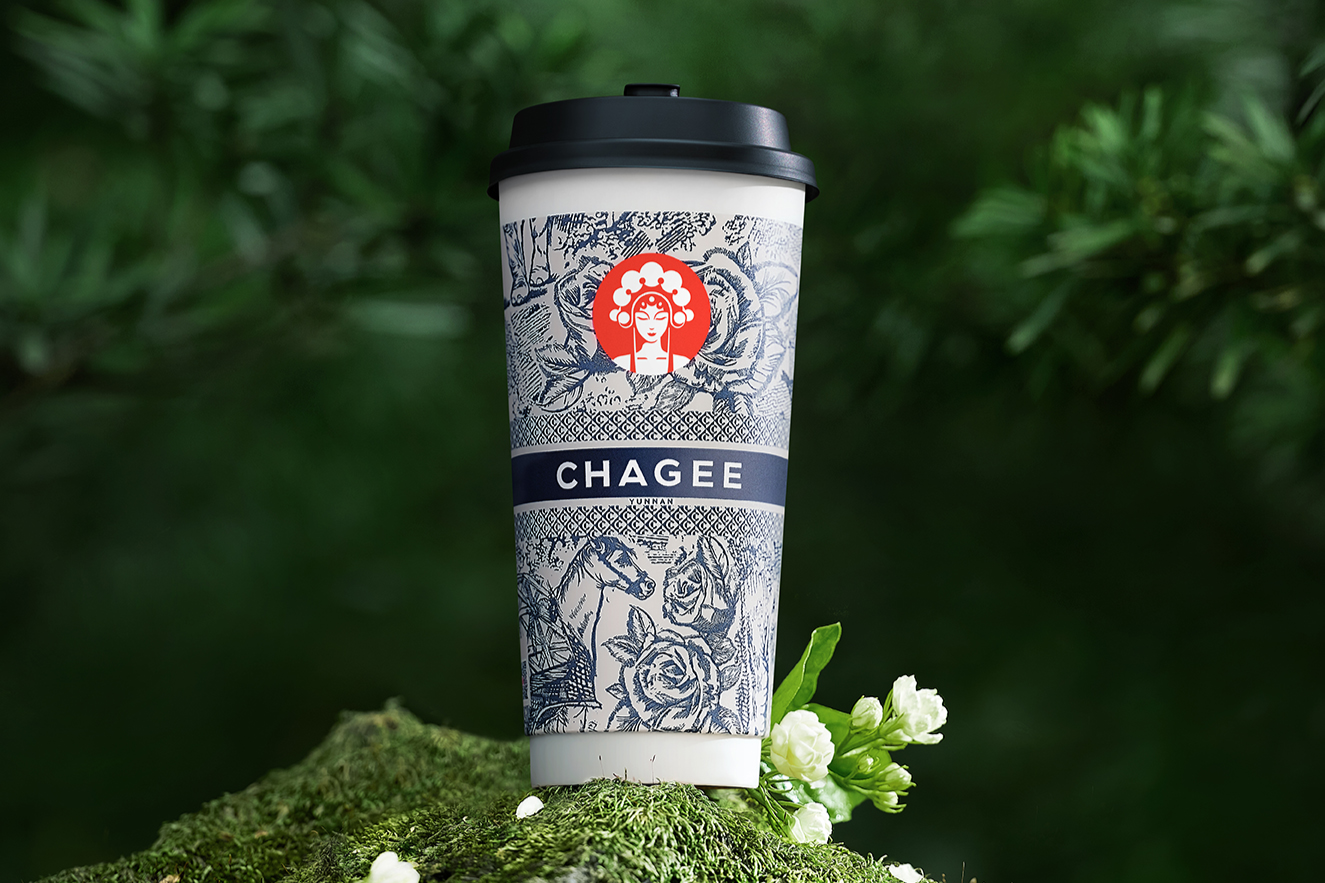
The allegations centre on visual similarities between the luxury house Dior and the Chinese milk tea chain Chagee. The core of the claim is that Chagee’s blue-and-off-white paper bag packaging has been widely compared to Dior’s pastoral toile de Jouy canvas tote bags. Many online have noted the likeness in colour palette, pattern aesthetic and overall look, prompting some consumers to label Chagee’s bags and merchandise as knockoffs or design plagiarism. Others, however, argue that both brands draw from shared cultural references. Chagee’s prints can be read as an homage to traditional Chinese porcelain motifs, while Dior’s toile de Jouy is an 18th-century French fabric known for pastoral scenes, florals and mythological figures printed in a single colour on a pale ground. Christian Dior adopted the pattern in 1947, cementing it as a signature motif of the house.

The debate intensified as the Yunnan tea brand expanded beyond beverages into merchandise featuring the motif, including notebooks, tote bags, tissue packs and reusable cups. This shift places Chagee in the middle of the long-standing marketing tension between appreciation and appropriation. While comparisons tend to focus on surface-level similarities such as the blue-and-off-white palette and illustrative detailing, the design roots behind both brands point to a broader historical narrative. Toile de Jouy itself emerged in France as a reinterpretation of East Asian decorative traditions, especially the blue-and-white designs found on Chinese porcelain. Various design references and historical overviews note that early European fabric printers adapted these aesthetics directly from imported Chinese ceramics.
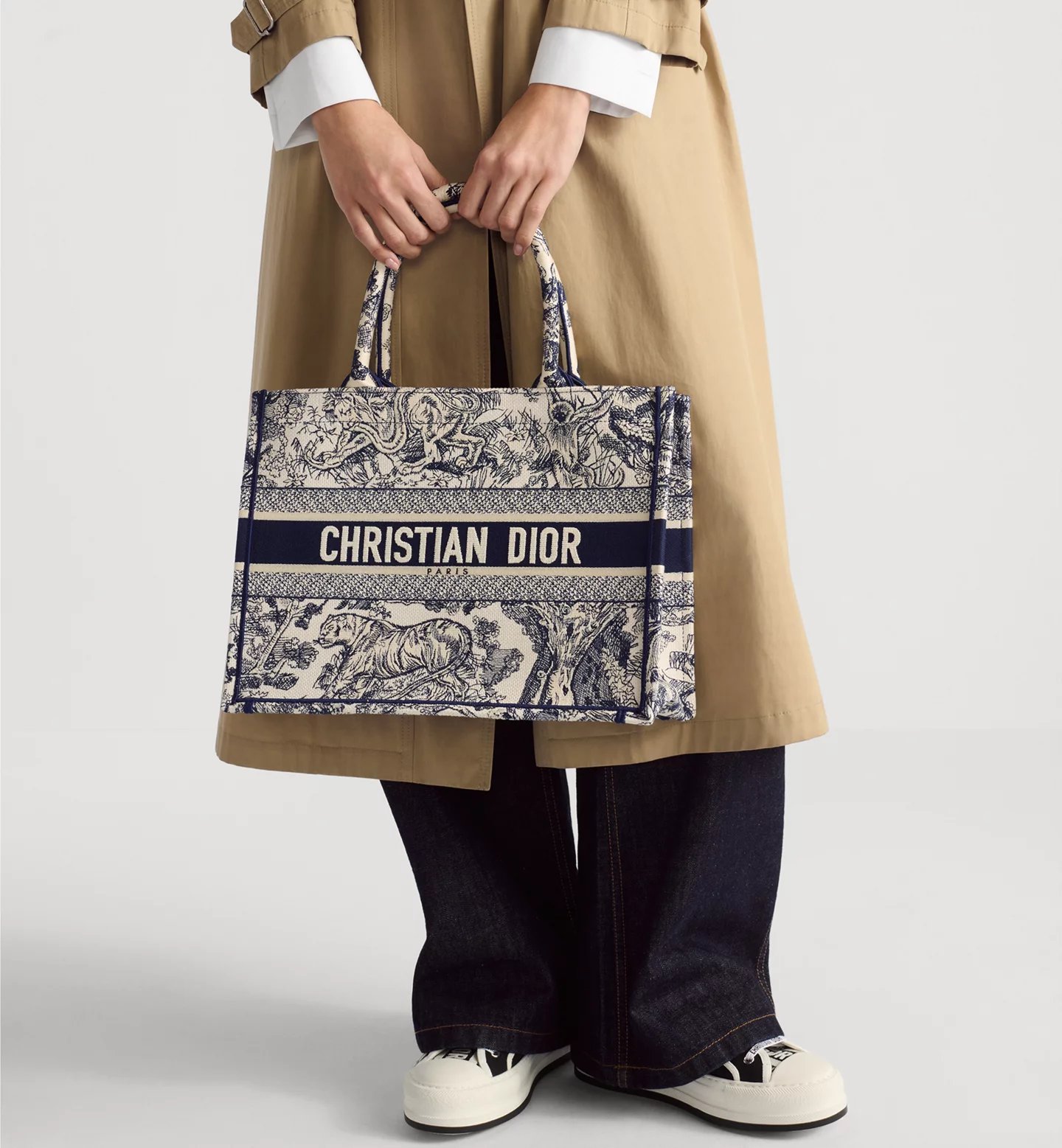

Chagee’s visual identity draws from this Chinese porcelain tradition, while Dior has revived toile de Jouy, a motif already shaped by centuries of Sino-European exchange, for contemporary luxury fashion. The public discourse has therefore shifted away from a binary question of plagiarism towards a more nuanced consideration of how global brands navigate shared artistic heritage in an era where cultural borrowing is scrutinised instantly and loudly.
Plagiarism’s Longstanding Place in Fashion
Fashion trends move in cycles and (in doing so) have often borrowed or been “inspired” by what came before. Yet the line between inspiration and imitation is not always easy to define. The fashion industry has long battled the issue of plagiarism, from design ideas trickling down from luxury houses to fast fashion labels to the copying of distinct shapes, silhouettes and motifs. The rise of AI has made this even easier, accelerating the ability to replicate patterns, artworks and brand signatures almost overnight.
It is important to remember that across several jurisdictions, copyright protection is tightly constrained and usually extends only to design elements that can be detached from a product’s function. In practice, this means features that could stand alone as artistic works, such as signature patterns or graphic prints, receive meaningful protection. Enforcing these protections in a court of law remains complicated, as even small alterations can render a design legally distinct.
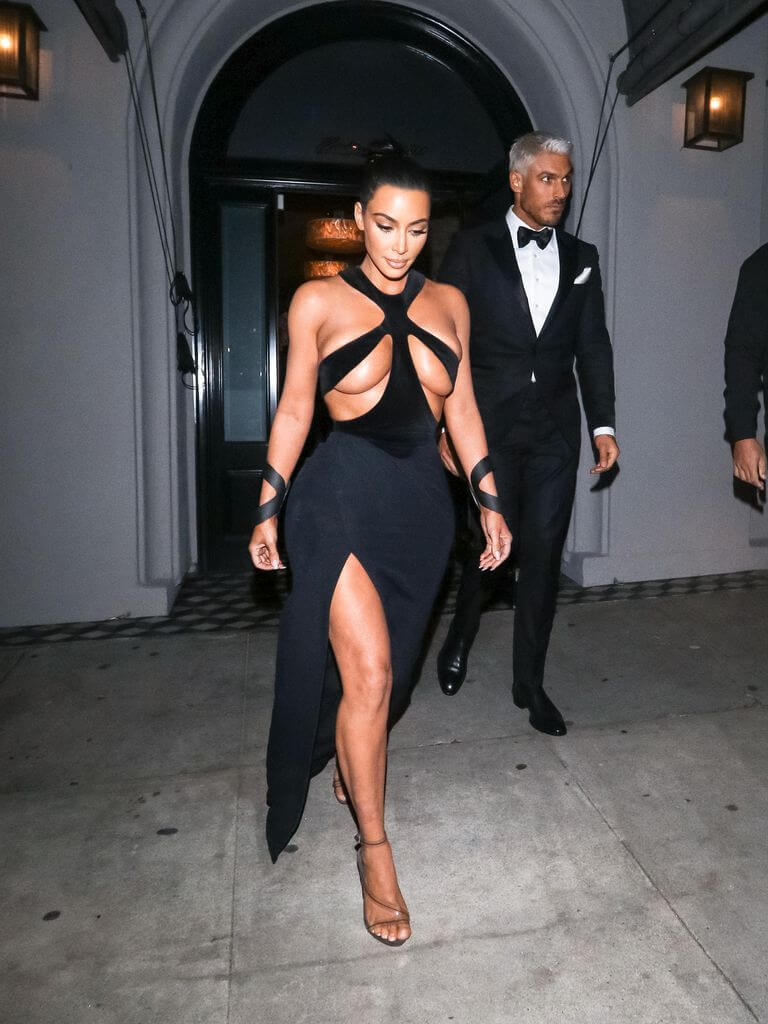
In 2019 Fashion Nova unveiled a near-identical version of a vintage Thierry Mugler gown after Kim Kardashian wore the original to an awards show. In 2017 Forever 21 used Gucci’s signature green and red stripe motifs on jackets and tops. This led to Gucci issuing a cease and desist before Forever 21 filed a pre-emptive lawsuit to block any legal action from the luxury house. The initial lawsuit was thrown out and Gucci proceeded to sue. The companies eventually settled out of court.
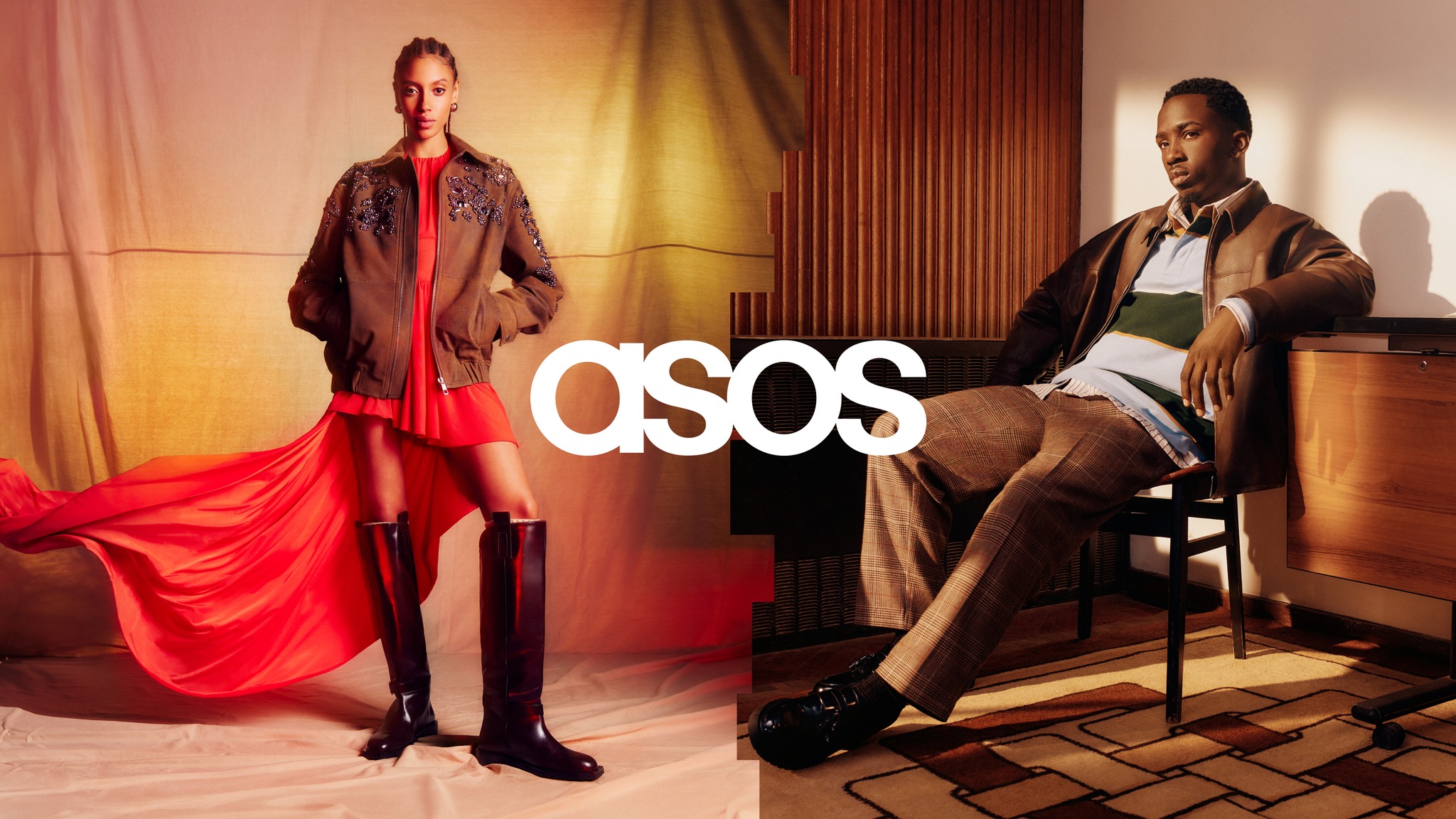
E-retailer ASOS has also been accused of plagiarising the work of several independent British designers, including Laurie Lee’s Heart Breaker leather jacket in 2017. On the subject of taking from independent artists, Zara has long faced criticism for lifting the work of multiple creators without credit or compensation. One well-known case was designer Tuesday Bassen, who called out Zara after noticing her colourful illustrations, including pins, lips and cartoon-style girls, appearing on Zara products in what were deemed almost exact copies. Zara brushed off the accusations while claiming to pull the items from its collections.
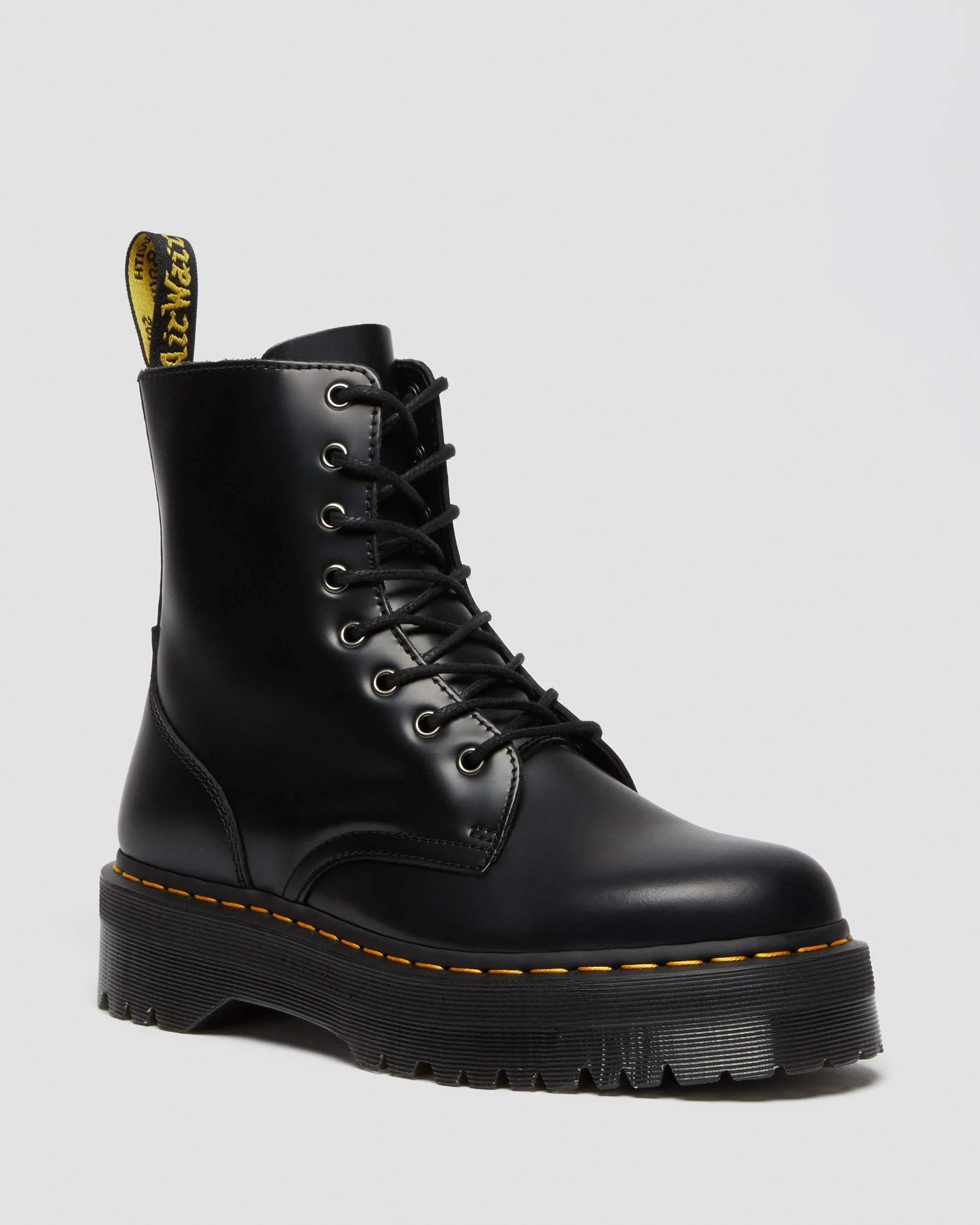
A conversation around plagiarism cannot exclude Shein. In 2024, British footwear manufacturer Dr Martens filed a lawsuit against Shein’s parent company for alleged copyright infringements on its design patents, claiming Shein profited from the knockoffs while muddying Dr Martens’ brand image. The continued mass production of supposedly one-of-a-kind creations at a fraction of the cost has taken designs from red carpet to off-the-rack overnight. The issue of plagiarism in fashion is far from superficial. It affects the bottom line of brands and also dilutes the image they have spent years, sometimes decades, building. Even when brands pursue litigation, it is often difficult to prove clear evidence of copying, because if a mass-market retailer like ASOS or Zara makes even a small alteration to the motif or pattern, the design may be deemed legally distinct.
While lawsuits are hard to win in fashion, public pressure has helped speed up accountability. Social media has enabled independent brands and designers to voice their grievances and rally consumer support in ways that were previously impossible.
The Business Of “Borrowing” Design Aesthetics
Fast fashion retailers often aggressively “borrow” or reference luxury fashion designs because speed-to-market, cost-saving and risk aversion make copying a low-risk business decision. Fast fashion and luxury are increasingly converging on this model, where taking inspiration — or outright replicating — can feel more like strategy than ethics. Repeated design borrowing also carries a creative toll. Emerging talent can be stifled when originality is continuously co-opted, and cultural appropriation becomes a persistent concern when heritage motifs or artisanal techniques are lifted without credit or compensation. Consumers may not always penalise brands, but in an age of social media visibility, public opinion can swing rapidly, turning perceived plagiarism into reputational risk.
While plagiarism may save money in the short term, it carries hidden costs. Reputation is fragile; plagiarism scandals can backfire spectacularly in the age of instant online scrutiny. Trust and consumer loyalty may erode and emerging talent could disengage entirely. Some smaller designers are pushing back through litigation, social media campaigns and crowdfunding to protect their intellectual property. Fashion institutions, trade associations and fashion weeks could play a stronger role in policing design theft. Proposed reforms include stronger IP protections, licensing or collaboration models and transparent “inspiration credits” that acknowledge sources while still allowing creative reinterpretation.
Ultimately, these debates reveal a deeper tension at the heart of fashion: the constant push-pull between creativity and commercial pressure. In a system driven by speed, trends and the homogination of “novelty”, the real question is not just who copied whom, but whether the industry still values originality at all.
For more on the latest in fashion and style reads, click here.
The post The Fashion Industry’s Battle for Originality appeared first on LUXUO.